Frederick William Gunn
A School, a Conscience, and the Formation of Citizens
Frederick William Gunn (1816–1881)
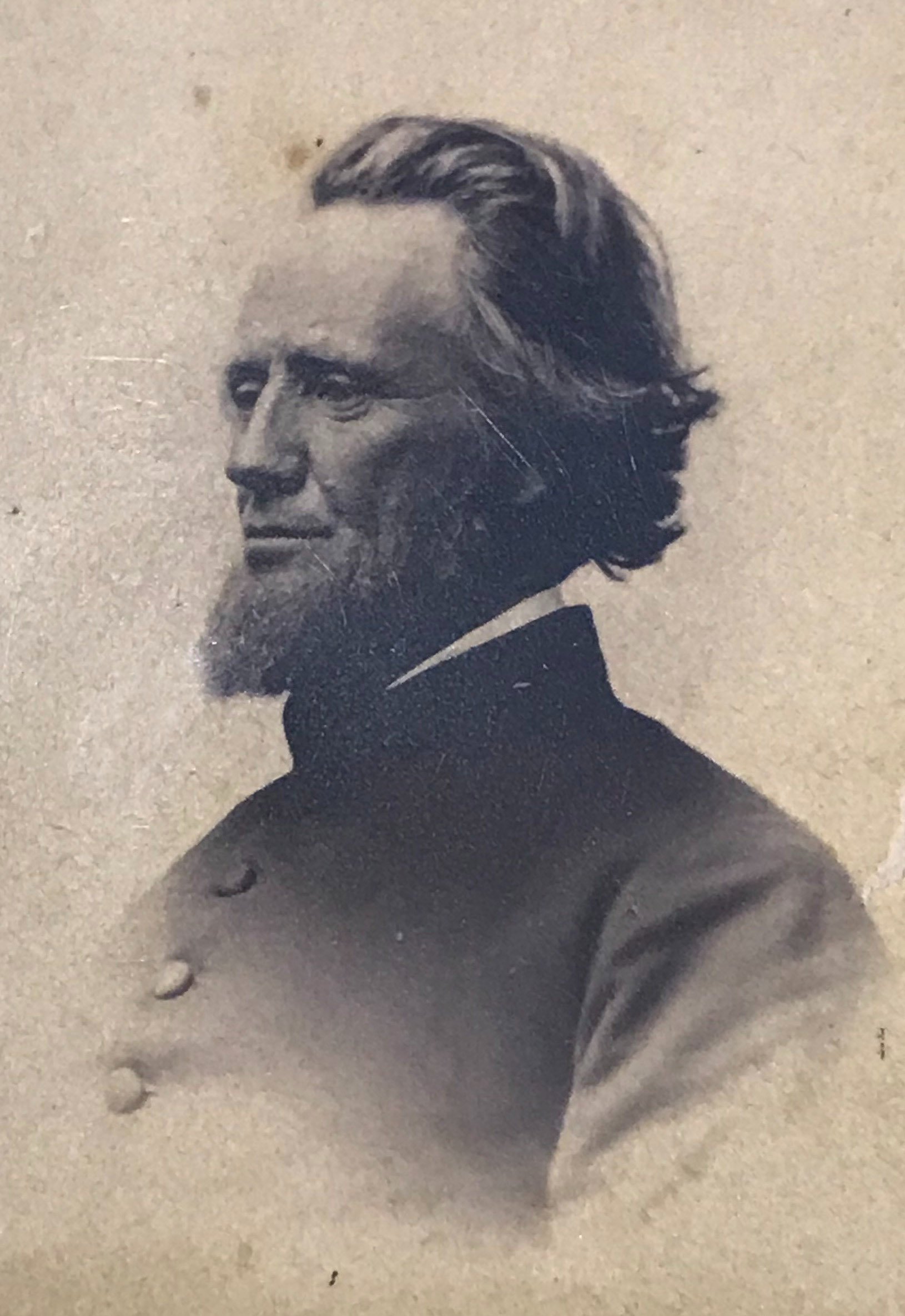
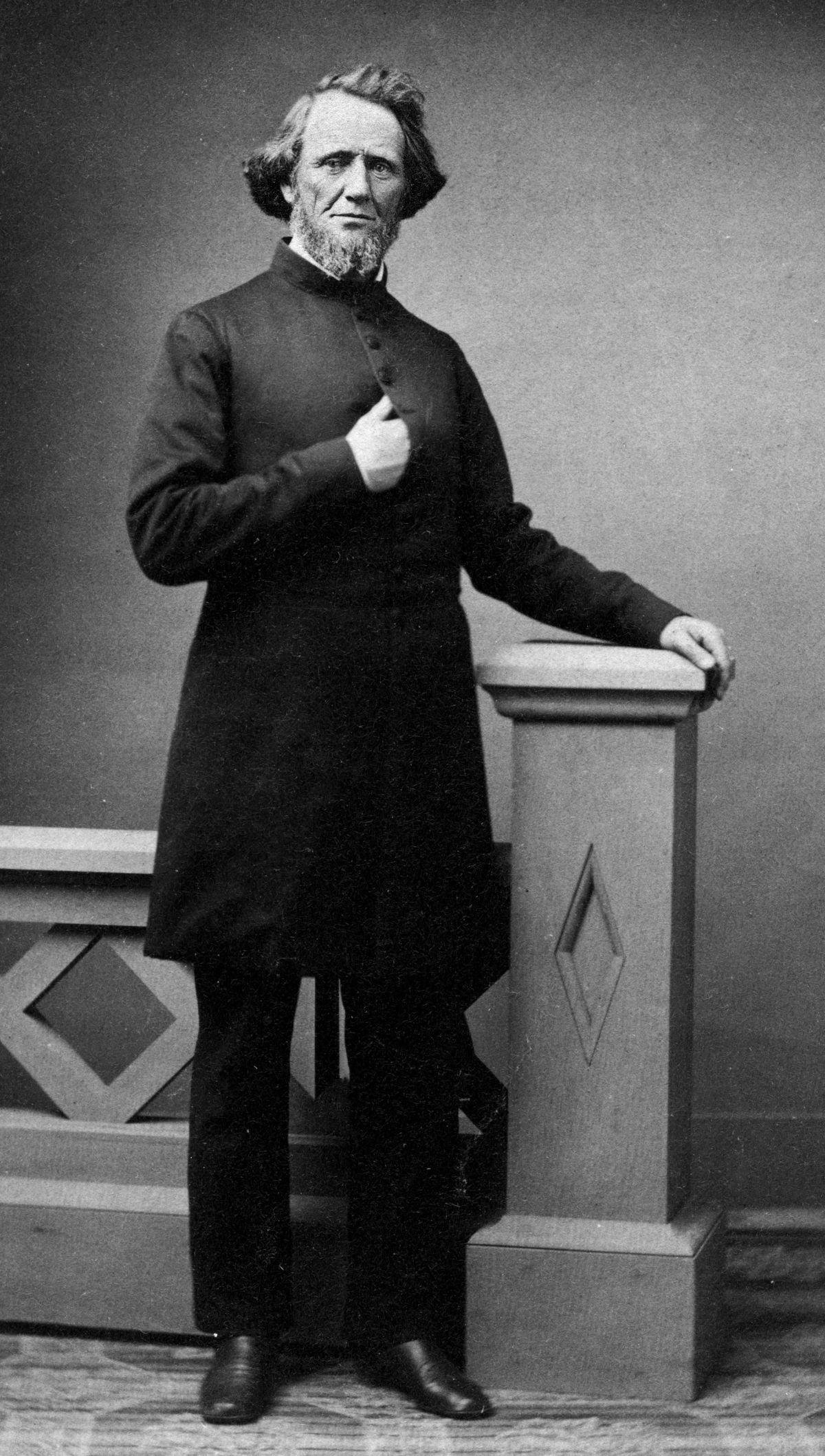
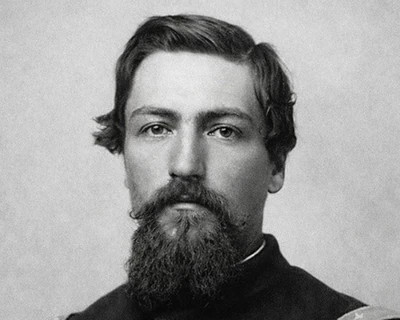
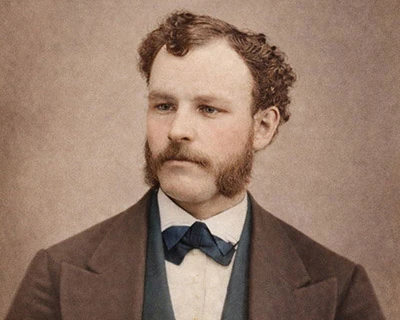
Frederick William Gunn, carte-de-visite, c. 1860s. Photograph by S. C. Landon; collection of the Gunn Historical Museum, Washington, Connecticut; digitized image via Wikimedia Commons. Public domain.
Biography
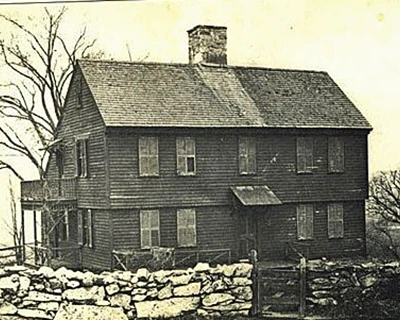
Frederick William Gunn was born on October 4, 1816, in Washington, Litchfield County, Connecticut. He was the youngest of eight children of John Northrop Gunn, a farmer and respected deputy sheriff, and Mary “Polly” Ford Gunn, remembered as a deeply religious woman who hoped her youngest child would enter the ministry. Both parents died while Frederick was still a boy. His eldest brother, John, helped raise him and arranged the education that eventually carried him to Yale College.1
At Yale, Gunn pursued the natural sciences, especially botany, and graduated with the Class of 1837. He considered medicine but found his vocation in teaching. His earliest classrooms were in and around Washington, including New Preston and Judea Academy. The qualities that later defined his school were already visible: delight in the natural world, unusual physical vigor, impatience with rote instruction, and a gift for earning the confidence of young people.2
Conscience and abolition
Gunn came of age as slavery divided churches, towns, and families. His brother John was an outspoken abolitionist associated with Underground Railroad activity in the Washington area. Frederick at first counseled caution, concerned that his brother’s public stance might endanger the family’s livelihood. His own position hardened, however, and by the 1840s he had become a forceful opponent of slavery. He challenged proslavery preaching, defended abolitionists in public argument, and accepted African American pupils. Evidence preserved by the school and later historians also places him within the local Underground Railroad network that concealed and assisted freedom seekers in deliberate violation of the Fugitive Slave Law.3
Law, when it violated conscience, could not command obedience.
That conviction cost him. Under pressure from the local Congregational minister and hostile townspeople, families withdrew their children until Gunn could no longer support himself as a schoolmaster. In 1847 he left Washington for Towanda Academy in Pennsylvania. Exile did not interrupt his educational experiments. Letters to his fiancée describe students studying constellations from rooftops, identifying flowers and bird calls on spring walks, and reading winter landscapes through tracks and animal shelters.4
Abigail and the founding of The Gunnery
On April 16, 1848, Gunn married Abigail Irene Brinsmade (1820–1908), daughter of Daniel Brinsmade and Mary Wakeman Gold Brinsmade. Abigail was not simply the schoolmaster’s wife. She became his essential partner, household manager, counselor, and co-founder of the school that generations of pupils would regard as a home. Their first child, Daniel Brinsmade Gunn, was born in Towanda on January 9, 1849. Later that year, changing sentiment in Washington and practical help from Abigail’s family allowed the Gunns to return to Connecticut.5
In 1850 Frederick and Abigail opened their new school in their home on Washington Green. It became known as The Gunnery. The enterprise began with about a dozen pupils, many of whom boarded with the Gunn family or nearby households. It grew because the Gunns offered more than preparation for college. They created a community in which shared work, conversation, play, responsibility, and affection mattered alongside formal lessons.6
The school’s admissions embodied its founders’ principles. In defiance of prevailing custom, the Gunns welcomed girls as well as boys, African American and Native American students, and pupils from other countries. Four students connected with the Chinese Educational Mission attended during the 1870s. Prominent abolitionist families, including those of Harriet Beecher Stowe and Henry Ward Beecher, entrusted children to Gunn. Such breadth did not make the school modern in every respect, but it made The Gunnery notably more open than many comparable institutions of its time.7
An education for the whole person
Gunn believed that education formed character rather than merely furnishing the mind. Students learned through experience and were expected to exercise judgment. Sunday “family meetings” gave them a voice in maintaining the school community. Sports, debates, music, theatricals, hunting, fishing, and long walks were not diversions from education; they were part of it. Gunn sometimes suspended recitations on a beautiful day and led the school outdoors, where a bird’s nest, a plant, or a track could become the day’s lesson.8
His methods united intellectual freedom with moral accountability. He wanted pupils to become self-governing people: physically capable, observant, independent in thought, and responsible to others. He resisted the distance and severity expected of a Victorian schoolmaster. Former pupils recalled a teacher who joined their games, shared their hardships, and understood that joy itself had educational value.
The road to Milford
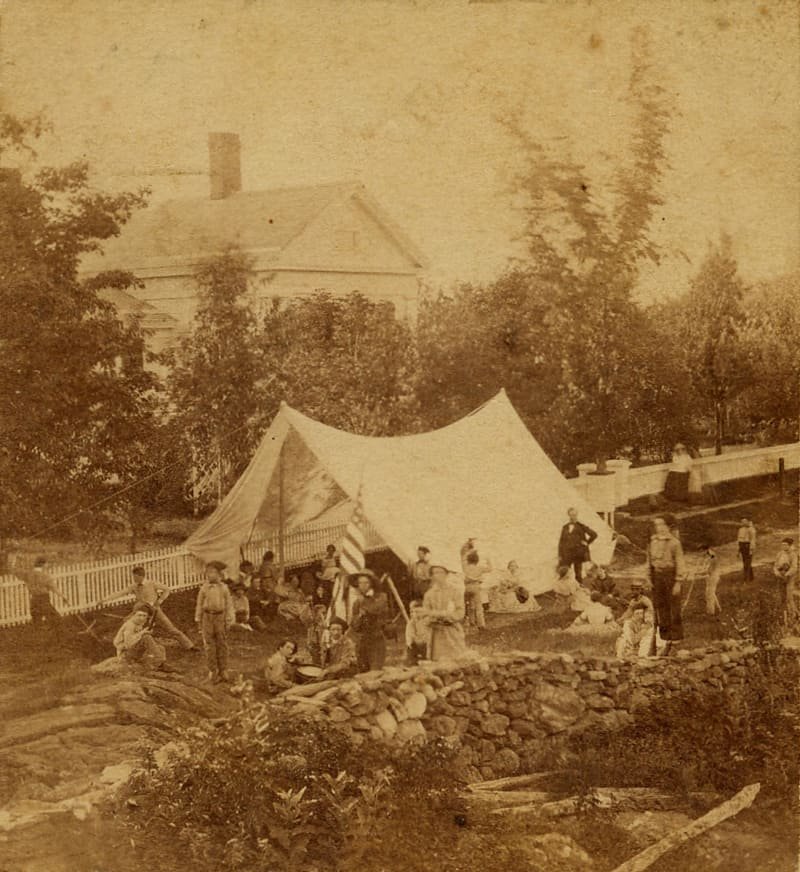
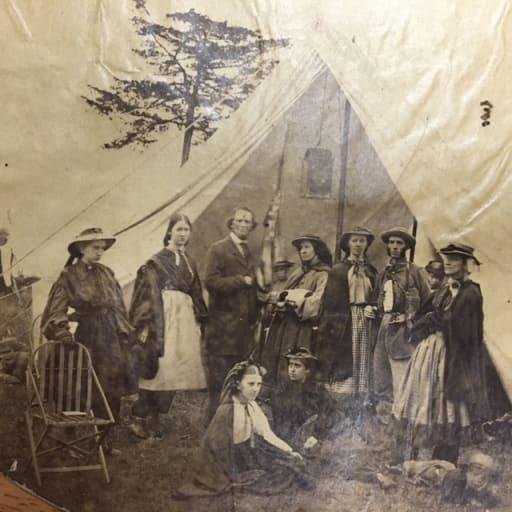
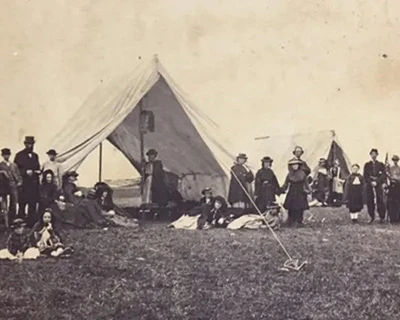
In 1861 Gunn led roughly thirty boys and twelve girls from Washington to Welch’s Point in Milford, on Long Island Sound. The party traveled on foot, carried supplies, camped for ten days, swam, foraged, and practiced military drills as the nation entered civil war. The students called the expedition “gipsying,” using the period’s spelling. Later trips took students to Lake Waramaug, where organized duties, boating, fishing, songs, and daily meetings joined recreation to communal responsibility.9
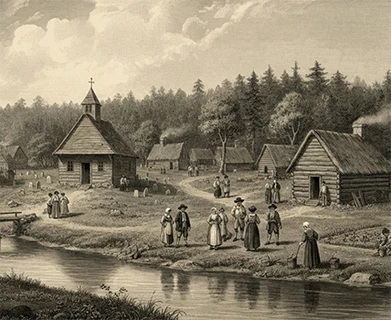
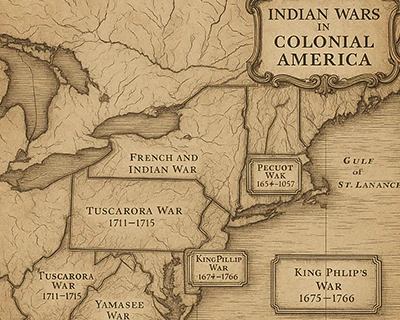
Milford was a meaningful destination in Gunn family history. Jasper Gunn, a seventeenth-century immigrant and physician, was among Milford’s early settlers. Published genealogical summaries strongly connect Frederick to Jasper’s line; Frederick was very likely Jasper Gunn’s second great-grandson, although the exact generational link should remain qualified until each parent-child connection is documented in primary records.10 The 1861 journey therefore carried a deliberate Gunn-family association: students moved toward the coastal settlement where an earlier Gunn had helped build a community.
The expedition is widely treated as a landmark in the history of organized recreational camping. The American Camp Association formally traced the American organized-camping movement to Gunn’s 1861 Milford camp. Yet recreation was only part of Gunn’s purpose. Living outdoors required cooperation, endurance, practical judgment, and care for weaker members of the group. With war beginning, the drills also acknowledged the ordeal some pupils might soon face.11
Gunn did not train soldiers. He formed citizens—capable of endurance, judgment, and responsibility—in a moment when those qualities would be tested.

A baseball match on The Gunnery grounds, Washington, Connecticut, August 4, 1869. The school buildings appear beyond the playing field. Photograph by Seth C. Landon; Paula and George Krimsky Archives and Special Collections, The Frederick Gunn School; digitized image via Wikimedia Commons. Public domain.
Civic life, books, and legacy
Gunn’s idea of education extended into the town. He opened Washington’s first lending library in his own home. Residents gathered there, and borrowing privileges were auctioned to raise money for additional books. He supported local lectures, debates, musical events, and amateur theater, helping to make learning a shared civic practice rather than the private possession of a school.12
Frederick and Abigail endured a profound family loss when their son Daniel died on April 19, 1865, aged sixteen. Their daughter, Mary Gold Gunn (1853–1939), later married John Chapin Brinsmade. After Frederick’s death, Mary and John helped carry forward the school her parents had founded.13
Gunn remained head of The Gunnery until his death at home in Washington on August 16, 1881. Former pupils memorialized him in the 1887 volume The Master of the Gunnery. Citizens and alumni later created the Gunn Memorial Library, dedicated in 1908, as a lasting expression of the educational and civic culture Frederick and Abigail had fostered.14
The school continued on the Washington hillside. In 2020 it changed its name from The Gunnery to The Frederick Gunn School, explicitly recommitting itself to its founder’s ideals. It remains a coeducational boarding and day school, linking its contemporary mission to Gunn’s belief that education should cultivate principled, active citizens.15
Timeline
- 1816, October 4 — Born in Washington, Connecticut, to John Northrop Gunn and Mary “Polly” Ford Gunn.
- 1826–1827 — Orphaned while still a boy; his eldest brother John assumes a major role in his upbringing and education.
- 1837 — Graduates from Yale College with the Class of 1837 after studying the natural sciences, particularly botany.
- 1837–1847 — Teaches in the Washington and New Preston area; develops a reputation as an energetic and unconventional schoolmaster.
- 1840s — Publicly embraces abolitionism and participates in Washington’s antislavery and Underground Railroad activity; opposition reduces enrollment in his school.
- 1847 — Leaves Washington to teach at Towanda Academy in Pennsylvania.
- 1848, April 16 — Marries Abigail Irene Brinsmade.
- 1849, January 9 — Son Daniel Brinsmade Gunn is born in Towanda.
- 1849 — Returns with his family to Washington, Connecticut.
- 1850 — Frederick and Abigail found the school later known as The Gunnery.
- 1853, January 20 — Daughter Mary Gold Gunn is born in Washington.
- 1861 — Leads the school expedition to Welch’s Point, Milford, later recognized as a foundational event in American organized recreational camping.
- 1865, April 19 — Daniel Brinsmade Gunn dies at age sixteen.
- 1870s — The Gunnery receives Native American and international pupils, including students associated with the Chinese Educational Mission; school camping continues at Lake Waramaug.
- 1881, August 16 — Dies in Washington, Connecticut.
- 1908 — Gunn Memorial Library is dedicated in Washington in memory of Frederick and Abigail Gunn.
- 2020 — The Gunnery becomes The Frederick Gunn School.
Family
Parents
- John Northrop Gunn (1772–1826), farmer and deputy sheriff.
- Mary “Polly” Ford Gunn (1773–1827), remembered for her strong religious faith.
Wife
- Abigail Irene Brinsmade Gunn (July 18, 1820–September 13, 1908), daughter of Daniel Brinsmade and Mary Wakeman Gold Brinsmade; married Frederick on April 16, 1848; co-founder and “Mother of The Gunnery.”
Children
- Daniel Brinsmade Gunn (January 9, 1849–April 19, 1865), born in Towanda, Pennsylvania; died in Washington at age sixteen.
- Mary Gold Gunn Brinsmade (January 20, 1853–December 3, 1939), born and died in Washington; married John Chapin Brinsmade in 1876 and helped continue The Gunnery after her father’s death.
Related Articles
- Jasper Gunn
- Abigail Irene Brinsmade Gunn
- The Frederick Gunn School
- Gunn Memorial Library
- The Gunn Family and the Underground Railroad
- The 1861 Milford Camping Expedition
Sources & Further Reading
- Gibson, William Hamilton, ed. The Master of the Gunnery: A Memorial of Frederick William Gunn. New York: Gunn Memorial Association, 1887. Internet Archive.
- Krimsky, Paula Gibson. “Reading, Writing, and the Great Outdoors: Frederick Gunn’s School Transforms Victorian-era Education.” Connecticut History, July 18, 2021. Read online.
- Strother, Horatio T. The Underground Railroad in Connecticut. Middletown, CT: Wesleyan University Press, 1962.
- The Frederick Gunn School. “About Our Founder.”
- The Frederick Gunn School. “The Abolitionist.”
- The Frederick Gunn School. “Nature as Educator.”
- The Frederick Gunn School. “Scottish Heritage.”
Research Notes
- Jasper Gunn relationship: The family connection is well established in published and institutional accounts, but those accounts are not fully consistent in the number of generations. This draft follows the requested cautious wording—“very likely Jasper Gunn’s second great-grandson”—pending a documented chain from Jasper through each generation to John Northrop Gunn and Frederick.
- Death date: Contemporary and institutional sources support August 16, 1881. Some later genealogical compilations print August 19; the earlier-supported August 16 date is used here.
- Abigail’s death year: The Frederick Gunn School supports 1908; some online family trees give 1909. This draft uses the school’s date.
- Historical language: The students’ name for their camping expeditions is retained only as a quoted historical term and is not used descriptively by the article.
Endnotes
Footnotes
-
The Frederick Gunn School, “About Our Founder,” accessed September 9, 2026, https://www.frederickgunn.org/about/history-traditions/about-our-founder; Paula Gibson Krimsky, “Reading, Writing, and the Great Outdoors: Frederick Gunn’s School Transforms Victorian-era Education,” Connecticut History, July 18, 2021, https://connecticuthistory.org/reading-writing-and-the-great-outdoors-frederick-gunns-school-transforms-victorian-era-education/. ↩
-
William Hamilton Gibson, ed., The Master of the Gunnery: A Memorial of Frederick William Gunn (New York: Gunn Memorial Association, 1887); Krimsky, “Reading, Writing, and the Great Outdoors.” ↩
-
The Frederick Gunn School, “The Abolitionist,” accessed September 9, 2026, https://www.frederickgunn.org/about/history-traditions/the-abolitionist; Horatio T. Strother, The Underground Railroad in Connecticut (Middletown, CT: Wesleyan University Press, 1962). ↩
-
The Frederick Gunn School, “The Abolitionist”; Krimsky, “Reading, Writing, and the Great Outdoors.” ↩
-
The Frederick Gunn School, “About Our Founder”; Gibson, Master of the Gunnery. ↩
-
Krimsky, “Reading, Writing, and the Great Outdoors”; The Frederick Gunn School, “About Our Founder.” ↩
-
The Frederick Gunn School, “The Abolitionist”; The Frederick Gunn School, “About Our Founder.” ↩
-
Gibson, Master of the Gunnery; The Frederick Gunn School, “About Our Founder”; The Frederick Gunn School, “Nature as Educator,” accessed September 9, 2026, https://www.frederickgunn.org/about/history-traditions/nature-as-educator. ↩
-
The Frederick Gunn School, “Nature as Educator”; Krimsky, “Reading, Writing, and the Great Outdoors.” ↩
-
The Frederick Gunn School, “Scottish Heritage,” accessed September 9, 2026, https://www.frederickgunn.org/about/history-traditions/scottish-heritage. The site identifies Jasper as the family’s immigrant progenitor and connects his descendants to Frederick, but its compressed wording does not establish each generational link. ↩
-
Krimsky, “Reading, Writing, and the Great Outdoors”; The Frederick Gunn School, “Nature as Educator.” ↩
-
The Frederick Gunn School, “About Our Founder.” ↩
-
Gibson, Master of the Gunnery; “Frederick William Gunn,” in Encyclopedia of Connecticut Biography: Genealogical-Memorial; Representative Citizens, vol. 1 (New York: American Historical Society, 1917), 318–19. ↩
-
Gibson, Master of the Gunnery; The Frederick Gunn School, “About Our Founder.” ↩
-
The Frederick Gunn School, “About Our Founder”; The Frederick Gunn School, “Peter Becker: 2012–2023,” accessed September 9, 2026, https://www.frederickgunn.org/about/history-traditions/about-our-founder/peter-becker. ↩
Photographs